Mektub
2010 · 42m · Documentary
Mektub portrays a day in the life in the Sahrawi refugee camps, along with the declarations of some of its protagonists. But behind this seemingly calm life hides a common fight, which is to continue fighting and protesting to accomplish the single common goal that all Sahrawis have as a nation: to take back the occupied land, rebuild their country, and reunite with their families.
More Like This
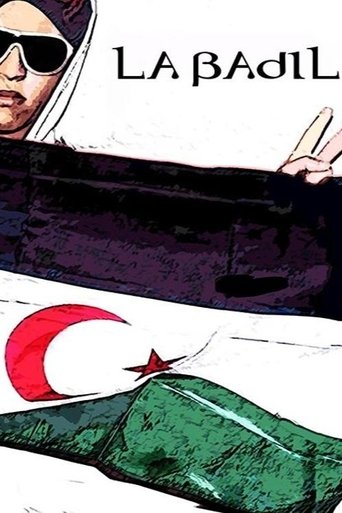
La badil
2012
La Badil (No Other Choice), was filmed undercover in the Moroccan controlled territories of Western Sahara, on the eve of the second anniversary of the 2010 uprisings at Gdeim Izik that heralded the start of the Arab Spring. It sheds new light on the decades long conflict and the Sahrawi people's struggle for self-determination.
More info →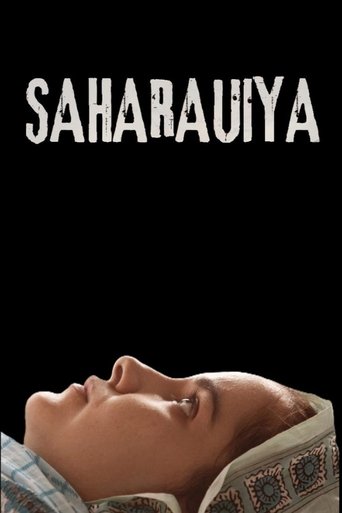
Saharauiya
2012
The documentary is about the sahrawi women’s role carries out from all areas in her society and developes within the framework of the refugee camps in Tindouf (Algeria). Sahrawi women who have different jobs tell us through several interviews their vital experiences and share their opinion about the difficult situation that they suffer. In parallel with these interviews the documentary shows us how is a typical day of a sahrawi family in which a girl and her friend live a little story of fantasy.
More info →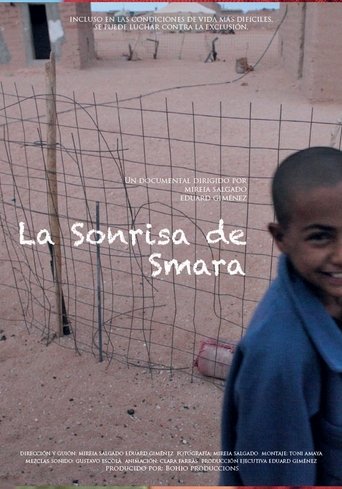
Smara's smile
2012
This is the story of Buyema Abdelfatan, also known as Castro, an ex Saharan soldier that now a days runs a centre for disabled children in the refugee camp of Smara (Tindouf, Algeria). A personal project that has earned him both praise and criticism, but could not continue without his dedication, perseverance and humanitarian aid that he receives.
More info →Sweep the desert
2012
A documentary about the daily lives, hopes, aspirations and demands of though living in the Sahrawi refugee camps of Dajla.
More info →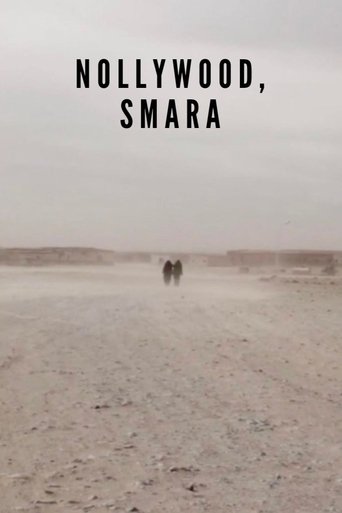
Nollywood, Smara
2011 · ★ 10
Smara is the city of dust, kingdom of sirocco, a surviving ruin of a suffocating region… Thousands of Sahrawis who fled Western Sahara after the war against Morocco (36 years ago) live in this refugee camp, located in the Sahara’s inhospitable north, in the middle of the Algerian hamada. They live here, under poor human conditions, thanks to international help. A small film cooperative fights, with barely any means, to elevate the voices of young Saharawis. It is one of the many Nollywoods (Hollywood of emptiness) found in Africa.
More info →
The ladies of the desert
2011
The film offers an insight into a nearly forgotten world. The times when the Sahrawi war of independence was on the international agenda seem to be long forgotten. The fate of hundreds of thousands Sahrawis living in refugee camps since the 1970s seems not to be spectacular enough for further attention. Inthe film the women get a chance to speak. It is a film about their experiences and hopes. It is mainly a film about life in surroundings where seemingly normal things are real challenges. The film is a simple and impressive portrait of women, who have been fighting against their fate to help their people. They have never lost their drive, no matter how unfavourable the circumstances have been. It reminds us of the fate of the Sahrawi people. The film is realistic, without any kitsch elements. It shows impressive pictures of the real lives of strong women, who have never stopped fighting for independence.
More info →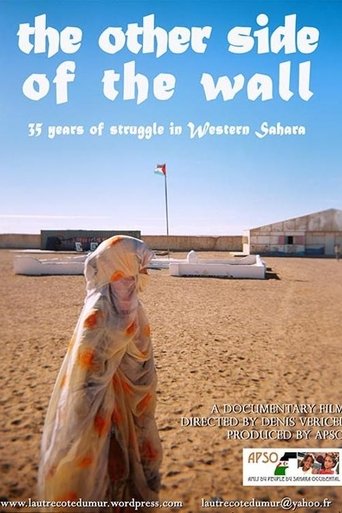
The other side of the wall
2011
The documentary tells how 35 years of struggle of Sahrawi people became the starting of the Arab spring. From both side of the wall, Sahrawi tell us the Story of their country, the story of the last colony of Africa.
More info →
Gdeim Izik: catalyst of the Arab Spring
2011
This documentary illustrates the story of Gdeim Izik through the voices of the Sahrawis themselves, giving personal accounts of how the camp was dismantled, what happened in the following weeks, and what it meant for them, as a people and as a nation. Our aim is to shed light on what really happened in Gdeim Izik during the autumn of 2010. The documentary is homage to the courage and strength of the Sahrawi people in their historic and unprecedented action, and it seeks recognition of their role in setting off the revolutions in the Arab world. Its aim is also to report and denounce the hypocritical role of foreign governments, the Moroccan government’s concealment of facts, and the way the Spanish government has been complicit in the situation through its policy of non-intervention in a conflict in which it is unavoidably involved.
More info →
Daughters of hope
2011
Women are the protagonists of this documentary. Girls and women of varied ages tell us the difficulties of living their whole lives in refuge and their desires for the future.
More info →Kites in Sahara
2010
Short film filmed in February 2010 at the Sahrawi refugee camps in Tindouf (Algeria). A poetic look into the situation that refugees go through and into the conflict itself. Soundtrack by Palestinian musicians and Spanish rock band Amaral. “We want words that fly freely, like comets, we want to be the irrepressible wind that comes and goes… And can’t ever be trapped in any sand prison… We want words that fly freely. Invincible. Like comets…”
More info →
Nothing happens
2010
In the Sahrahwi refugee camp of Dajla, south of Algeria lives Mohamed Brahim Selma, also known as Belgha; Shepherd and poet of the Tiris region who has devoted his life to preserve Sahrahwis culture and identity. In "Nothing Happens" talks about the ancient culture as a precedent; of women as mainstay of life as well of elders as transmitters of knowledge, all, as part of the Saharawi culture.
More info →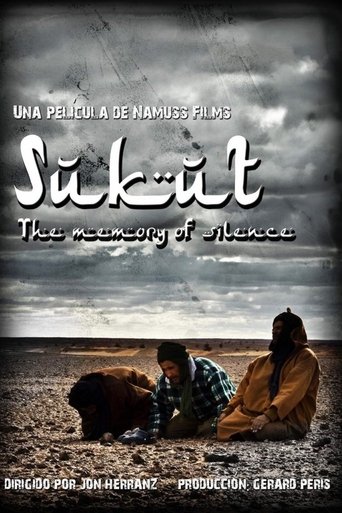
Sukut, the memory of silence
2010
In the refugee camps of Tindouf, for more than 30 years the Sahrawi people is waiting to get the goal that forced them to exile: to return to their land free from any foreign domination. Sukut collects the testimonies of life of elderly Sahrawi with three objectives: to preserve the historical memory of this people, that have basically an oral tradition, show the human aspects of some experiences and data too much objectified, and especially, give the word to those who have been silenced too long ago.
More info →