In Grave Danger of Falling Food
1992 · Documentary
In this introductory video to permaculture, Bill Mollison, the movement’s co-founder, takes the viewer through the history and developments of the movement. With startlingly laconic humor and insight he deconstructs the modern agribusiness and the “modern plague” : manicured ornamental lawns. In this video he offers an antidote, which is an antidote to both our currently unsustainable practices and our unsustainable culture. Both of these have to change and adapt. Permanently.
More Like This
But Beautiful
2019 · ★ 7.7
In his new film, Erwin Wagenhofer is looking for the good and beautiful in this world.
More info →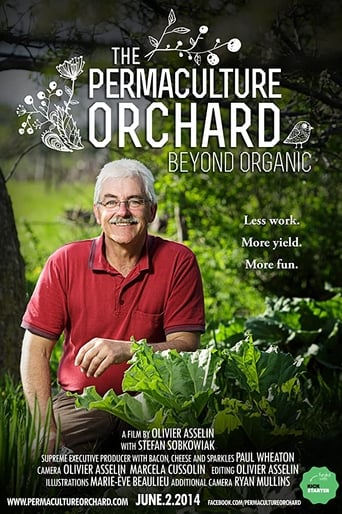
The Permaculture Orchard: Beyond Organic
2014
This feature-length educational film teaches you how to set up your own permaculture orchard at virtually any scale. We recognize the limitations of the organic model as a substitute to conventional fruit growing, and want to propose a more holistic, regenerative approach based on permaculture principles. Based on 20 years of applied theory and trial and error, biologist and educator Stefan Sobkowiak shares his experience transforming a conventional apple orchard into an abundance of biodiversity that virtually takes care of itself. The concepts, techniques and tips presented in this film will help you with your own project, whether it is just a few fruit trees in your urban backyard, or a full-scale multi-acre commercial orchard.
More info →
Establishing a Food Forest the Permaculture Way
2008
Geoff Lawton demonstrates how to grow a food forest from start to finish. Geoff helps get you on the right track toward growing a productive garden paradise.
More info →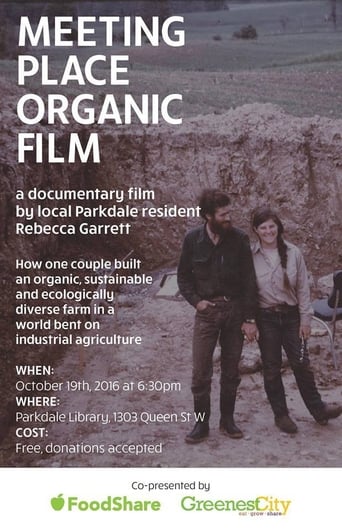
Meeting Place Organic Film
2016
Local, organic, and sustainable are words we associate with food production today, but 40 years ago, when Fran and Tony McQuail started farming in Southwestern Ontario, they were barely spoken. Since 1973, the McQuails have been helping to build the organic farming community and support the next generation of organic farmers. This is a documentary about the McQuails that explores the very real ways their farm has contributed to the long term ecological viability of agriculture in Ontario. It is a call to action for all those who believe there is a better way to take care of our planet and feed the world.
More info →
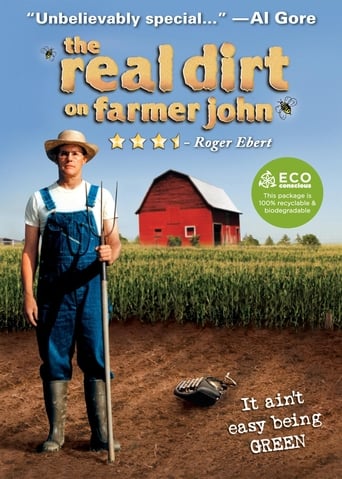
The Real Dirt on Farmer John
2006 · ★ 7.2
An outcast in his community, Farmer John bravely stands amidst a failing economy, vicious rumors, and violence. By melding the traditions of family farming with the power of art and free expression, this powerful story of transformation and renewal heralds a resurrection of farming in America. Through highly personal interviews and 50 years of beautifully textured footage, filmmaker Taggart Siegel shares Farmer John’s haunting and humorous odyssey, capturing what it means to be wildly different in a rural community.
More info →The Agro Rebel: Permaculture in the Salzburg Alps
2001
Sepp Holzer explains some of the innovative, labour-saving agricultural techniques he applies at his farm in the Eastern Alps of Salzburg, Austria.
More info →
Heartland Local Food
2020
This film explores food sustainability, how farmers' markets build community, and why local food matters. Filmmaker Dr. Benjamin Garner is an Associate Professor at the University of North Georgia. He produces films on food, marketing, and tourism. Dr. Garner consults with companies on soft skills training and produces video ads for web and social media.
More info →Sepp Holzer's Secrets of Eden
Filmmaker Claudia Hefner showcases the Kramerterhof, an Alpine estate which Sepp Holzer has transformed from an ordinary farm into a paragon of permaculture. Spectacular aerial photography helps viewers to appreciate the magnificence of the landscape and the efficiency of the property.
More info →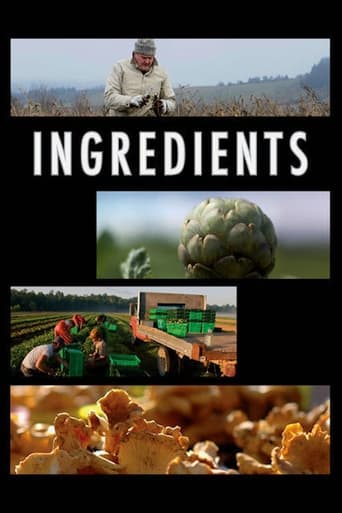
Ingredients
2009 · ★ 5.9
At the focal point of this movement, and of this film, are the farmers and chefs who are creating a truly sustainable food system. Their collaborative work has resulted in great tasting food and an explosion of consumer awareness about the benefits of eating local. Attention being paid to the local food movement comes at a time when the failings of our current industrialized food system are becoming all too clear. For the first time in history, our children's generation is expected to have a shorter lifespan than our own. The quality, taste and nutritional value of the food we eat has dropped sharply over the last fifty years. Shipped from ever-greater distances, we have literally lost sight of where our food comes from and in the process, we've lost a vital connection to our local community and to our health.
More info →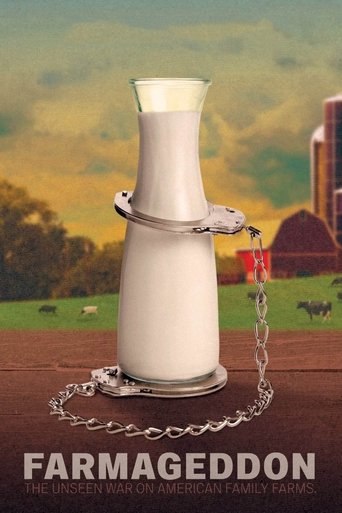
Farmageddon
2011 · ★ 4.9
The story of a mom whose son healed from all allergies and asthma after consuming raw milk, and real food from farms. It depicts people all over the country who formed food co-ops and private clubs to get these foods, and how they were raided by state and local governments.
More info →