The Living Stone
★ 6.2 · 1958 · 34m · Documentary
The Living Stone is a 1958 Canadian short documentary film directed by John Feeney about Inuit art. It shows the inspiration behind Inuit sculpture. The Inuit approach to the work is to release the image the artist sees imprisoned in the rough stone. The film centres on an old legend about the carving of the image of a sea spirit to bring food to a hungry camp. It was nominated for an Academy Award for Best Documentary Short.
More Like This
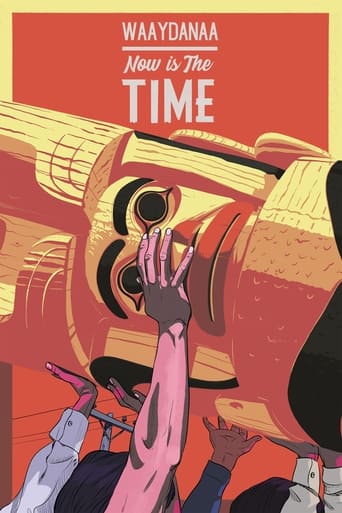
Now Is the Time
2019
When internationally renowned Haida carver Robert Davidson was only 22 years old, he carved the first new totem pole on British Columbia’s Haida Gwaii in almost a century. On the 50th anniversary of the pole’s raising, Haida filmmaker Christopher Auchter steps easily through history to revisit that day in August 1969, when the entire village of Old Massett gathered to celebrate the event that would signal the rebirth of the Haida spirit.
More info →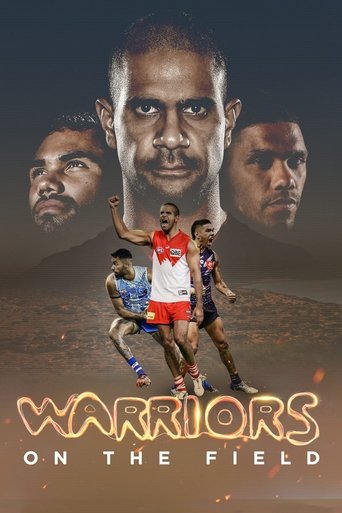
Warriors on the Field
2022 · ★ 10
Through the lens of sport, AFL legend Michael O'Loughlin shines a light on the history and experience of the Indigenous Australian people. Current AFL players, Michael Walters and Tarryn Thomas, join O'Loughlin to unpack racism, discrimination and the unbreakable bond they each share with their indigenous communities.
More info →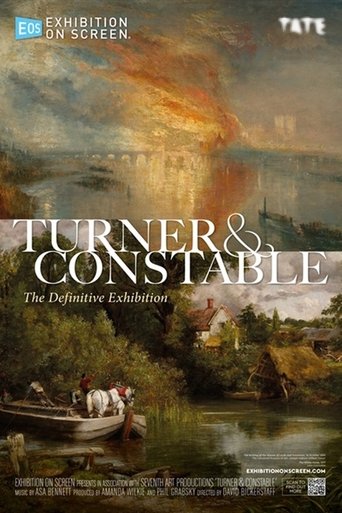
Turner & Constable
2026 · ★ 5
Celebrating the 250th anniversary of their births, this unmissable new documentary explores Turner and Constable’s intertwined lives and legacies alongside the groundbreaking Tate exhibition. Two of Britain’s greatest painters, J.M.W. Turner and John Constable were also the greatest of rivals. Born within a year of each other, both used landscape painting to reflect the changing world around them. Tate Britain is bringing these two greats together for a groundbreaking exhibition, in London from November 2025 to April 2026, and Exhibition on Screen once again has exclusive and privileged access to bring their extraordinary art and remarkable stories to the big screen in February so that you can enjoy both film and exhibition together. Discover unexpected sides to both artists with intimate views of sketchbooks and personal items and insights from leading experts.
More info →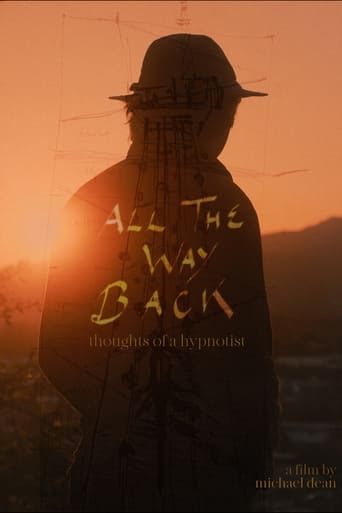
All the Way Back: Thoughts of a Hypnotist
2023 · ★ 6.5
This film is a portrait of hypnotist and artist, Marcos Lutyens. It examines the idea of incorporating hypnotism into art through the filmmaker participating in a hypnotic induction.
More info →
Necessary Amendments
2019
Commissioned by MK Gallery, this film combines contemporary footage of public artworks in Milton Keynes with archive footage from the Open University, cartoons from the Milton Keynes Development Corporation's internal newspaper and accounts from early residents, juxtaposing several perspectives on England's most ambitious 'new town'.
More info →
How to Build an Igloo
1949 · ★ 7.2
This classic short film shows how to make an igloo using only snow and a knife. Two Inuit men in Canada’s Far North choose the site, cut and place snow blocks and create an entrance--a shelter completed in one-and-a-half hours. The commentary explains that the interior warmth and the wind outside cement the snow blocks firmly together. As the short winter day darkens, the two builders move their caribou sleeping robes and extra skins indoors, confident of spending a snug night in the midst of the Arctic cold!
More info →
Traces: The Kabul Museum 1988
2003 · ★ 9
The Kabul National Museum, once known as the "face of Afghanistan," was destroyed in 1993. We filmed the most important cultural treasures of the still-intact museum in 1988: ancient Greco-Roman art and antiquitied of Hellenistic civilization, as well as Buddhist sculpture that was said to have mythology--the art of Gandhara, Bamiyan, and Shotorak among them. After the fall of the Democratic Republic of Afghanistan in 1992, some seventy percent of the contents of the museum was destroyed, stolen, or smuggled overseas to Japan and other countries. The movement to return these items is also touched upon. The footage in this video represents that only film documentation of the Kabul Museum ever made.
More info →
The John Muir
Some people think John Muir was a hero. Others: not so much. The Adventure Brothers hike the famous John Muir Trail (a.k.a. Nüümü Poyo) to investigate the conservationist's controversial legacy.
More info →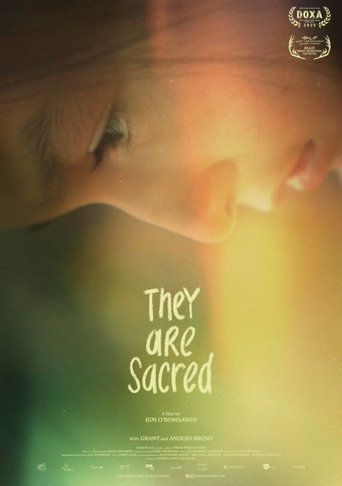
They are Sacred
2025
Following young Anders and his father, Dr. Grant Bruno, of the Samson Cree Nation, this documentary gives viewers unique access to the world of an autistic child, and to follow his father’s journey to bring back traditional First Peoples perspectives in our contemporary world.
More info →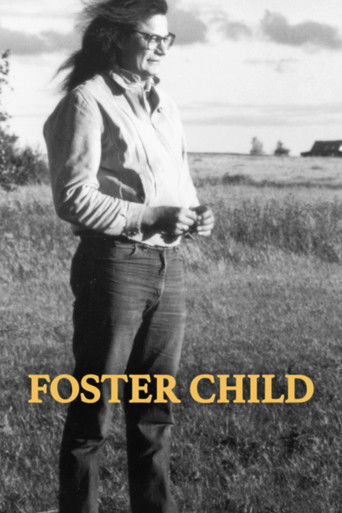
Foster Child
1987 · ★ 5
Gil Cardinal searches for his natural family and an understanding of the circumstances that led to his becoming a foster child. An important figure in the history of Canadian Indigenous filmmaking, Gil Cardinal was born to a Métis mother but raised by a non-Indigenous foster family, and with this auto-biographical documentary he charts his efforts to find his biological mother and to understand why he was removed from her. Considered a milestone in documentary cinema, it addressed the country’s internal colonialism in a profoundly personal manner, winning a Special Jury Prize at Banff and multiple international awards.
More info →
Post New Bills: The Story of Green Patriot Posters
2014
A short documentary illustrating how art can influence public perception towards environmental issues. Green Patriot Posters is a highly acclaimed multimedia design campaign that challenges artists to deepen public understanding and ignite collective action in the fight against climate change. So far, it has reached five million people through print media, public space and digital culture. The film features interviews with key Green Patriot Posters contributors (Shepard Fairey, Michael Bierut, DJ Spooky, Mathilde Fallot) and its founders (The Canary Project, Dmitri Siegel).
More info →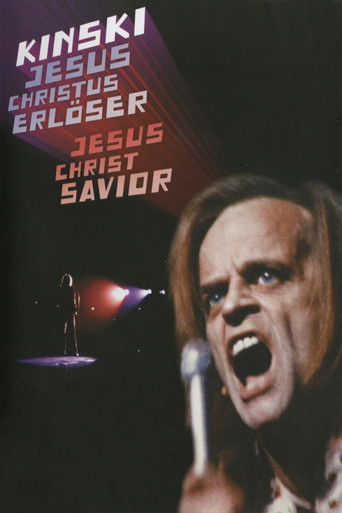
Jesus Christ Saviour
2008 · ★ 6.9
Klaus Kinski has perhaps the most ferocious reputation of all screen actors: his volatility was documented to electrifying effect in Werner Herzog’s 1999 portrait My Best Fiend. This documentary provides further fascinating insight into the talent and the tantrums of the great man. Beset by hecklers, Kinski tries to deliver an epic monologue about the life of Christ (with whom he perhaps identifies a little too closely). The performance becomes a stand-off, as Kinski fights for control of the crowd and alters the words to bait his tormentors. Indispensable for Kinski fans, and a riveting introduction for newcomers, this is a unique document, which Variety called ‘a time capsule of societal ideals and personal demons.’
More info →